
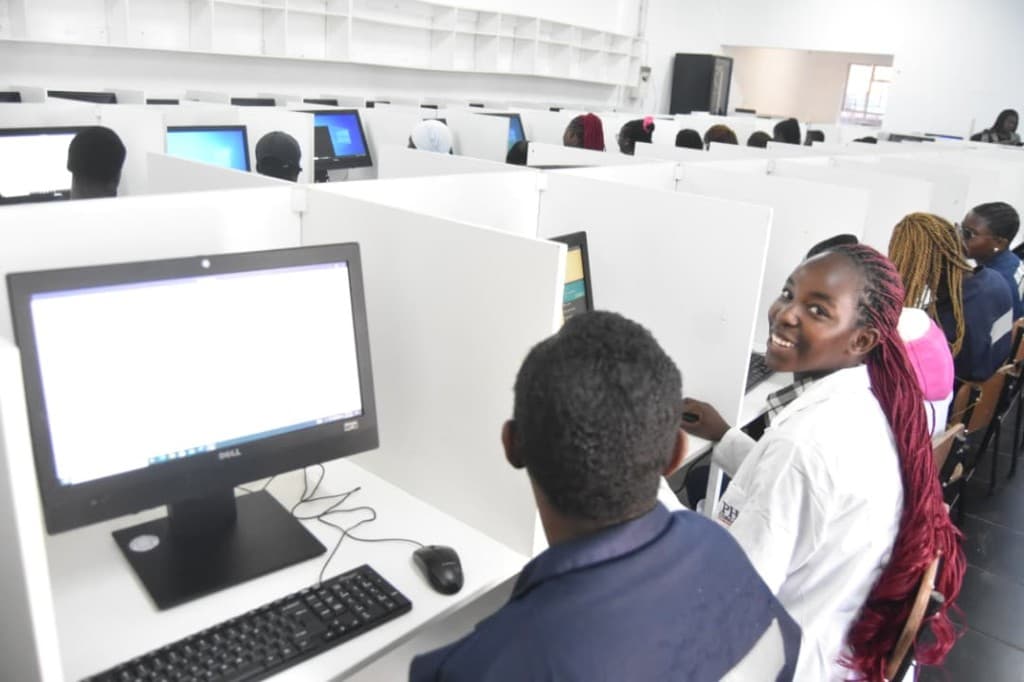
The Harare Institute of Public Health (HIPH) has upgraded its computer laboratory from an 80-seater to a 120-seater facility as it moves to introduce Artificial Intelligence (AI)-based learning and research.
The upgraded laboratory, equipped with modern computers, is expected to give students greater access to technology and help them develop skills in research, innovation and the use of AI in their studies.
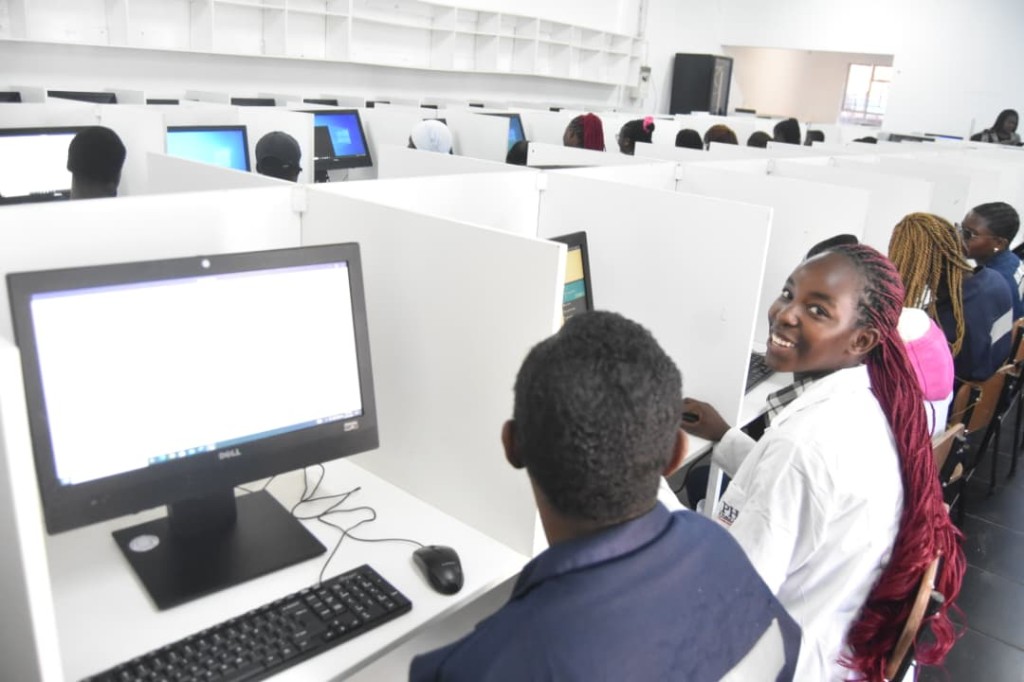
Speaking to journalists, Elizabeth Dumbreni, Head of Marketing and Business Development, announced that the institution has opened a state-of-the-art computer laboratory equipped with CCTV surveillance as part of its commitment to strengthening learning systems in tertiary education. The facility houses 120 newly acquired, modern computers and printers, providing students with advanced resources to enhance their academic experience. Head of Information Technology (IT), Reconcile Makamure, also said the upgrade was part of the institution's efforts to keep pace with technological developments in education.
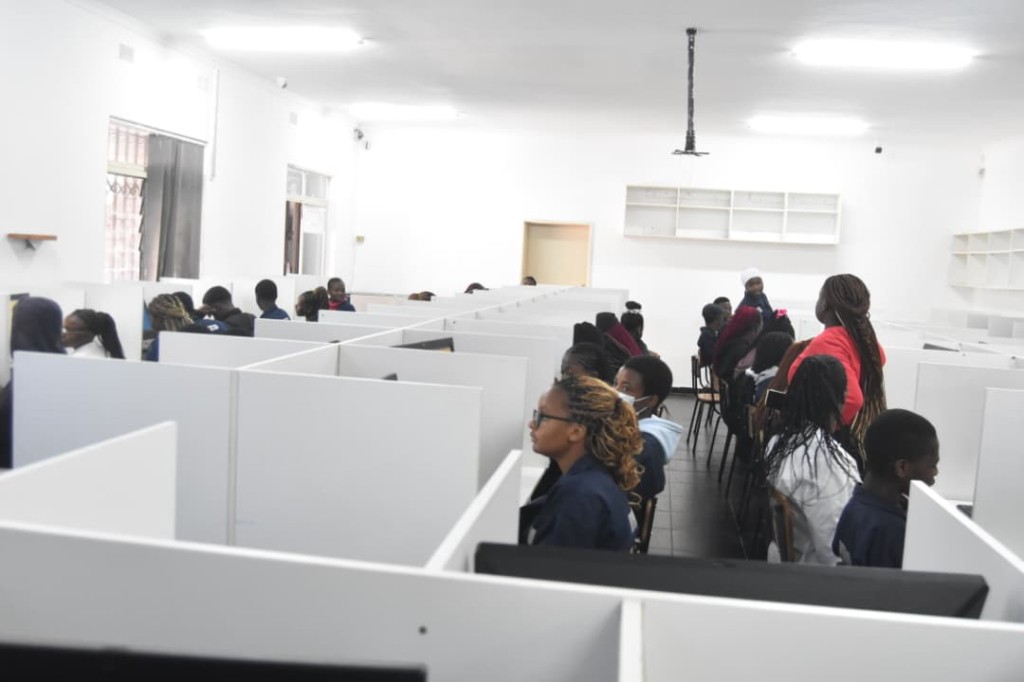
"Today we have unveiled our new laboratory. We have upgraded our computer lab. We used to have an 80-seater, now we have a 120-seater.
"This computer lab is going to help us enhance the learning of our students. We're going to be introducing AI-based learning so that they can use it in their studies. It is going to enable them to be innovative and conduct research when doing their work," he said.
Makamure said AI would help students become more productive by making research easier and helping them understand difficult concepts.
"As a college, we find that with AI these days, it enables students to be more productive. Back in the day, it was a struggle to do research, but now with AI, we'll teach them how they can use it to enhance their studies.
"They will be able to better understand even those concepts that are very difficult. With the machines that we have upgraded, they are well equipped to enable them to use AI," he said.
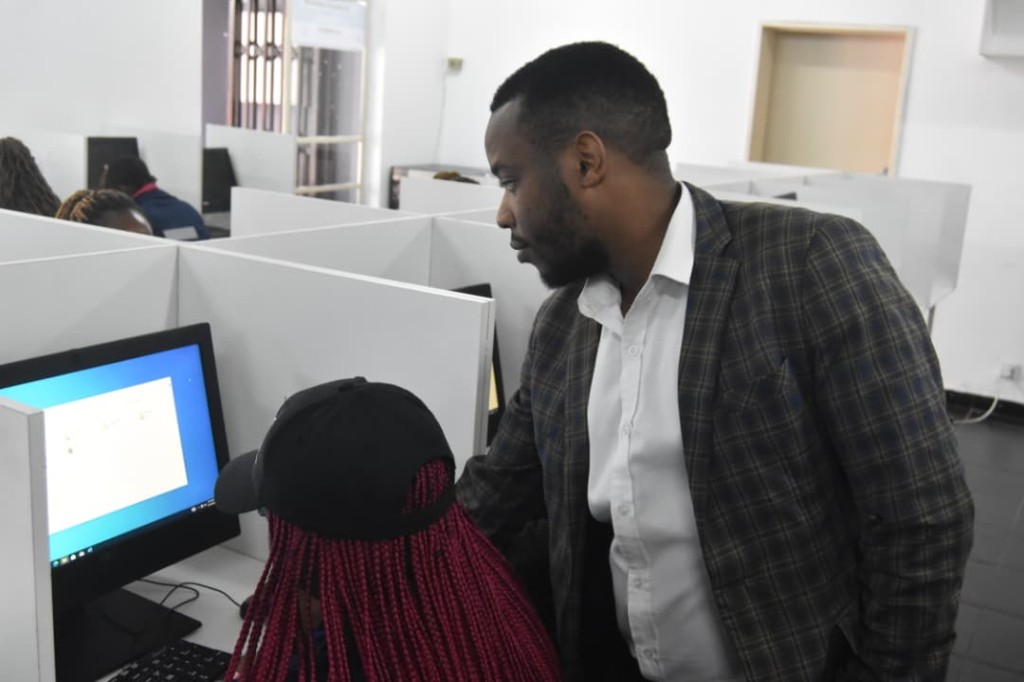
He said HIPH would ensure that the use of AI complemented Zimbabwe's education curriculum and prepared students to compete in an increasingly technology-driven global environment.
"Our vision now is to provide a platform for our students to use the latest technology in learning and informatics and in conducting research. This will enable them to know what is going on around the world so that, globally, they will be able to make an impact and contribute to the nation," Makamure said.
He said the initiative was also in line with the country's heritage-based education approach and Education 5.0, which places emphasis on innovation, research and practical solutions.
"It is now heritage-based learning. They will also be able to enhance technology based on the HBC curriculum and Education 5.0.
"When they go out, nothing will be new to them because they will already have access to information. They will have done their innovation studies and conducted research. When they go out, they will be able to fit into the global community because of the equipment that we have provided for them," Makamure said.