Sharing local evidence, community experiences and lessons in maternal and child nutrition with an international audience.
The Harare Institute of Public Health (HIPH) took Zimbabwe’s public health research to the global stage when it presented findings from the Zimbabwe Maternal and Infant Nutrition and Growth (MiNG) study at the Micronutrient Forum’s 7th Global Conference in Accra, Ghana.
Held from 28 September to 1 October 2026, the international conference provided a platform for the exchange of research, experiences and approaches aimed at improving nutrition outcomes around the world.
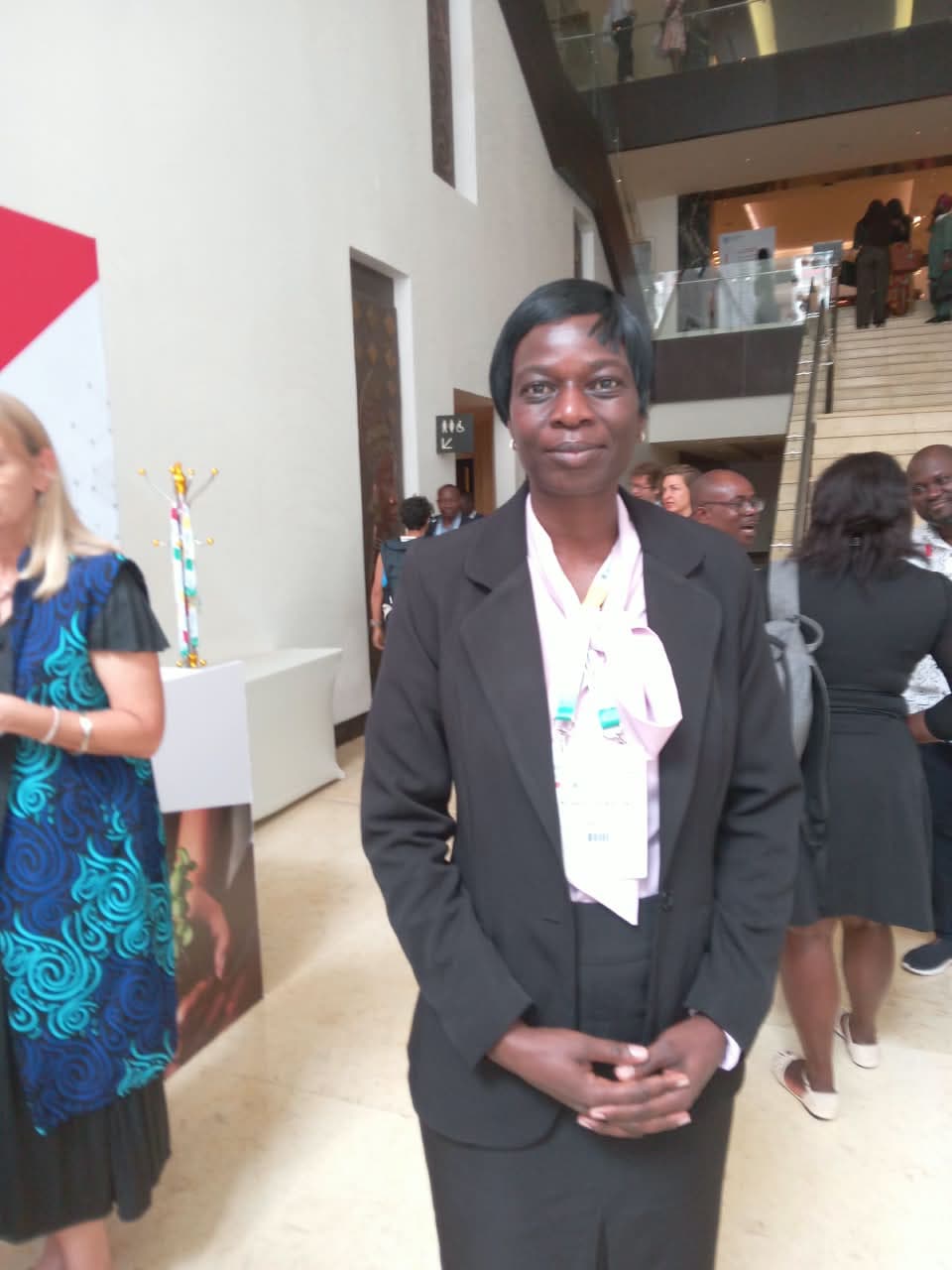
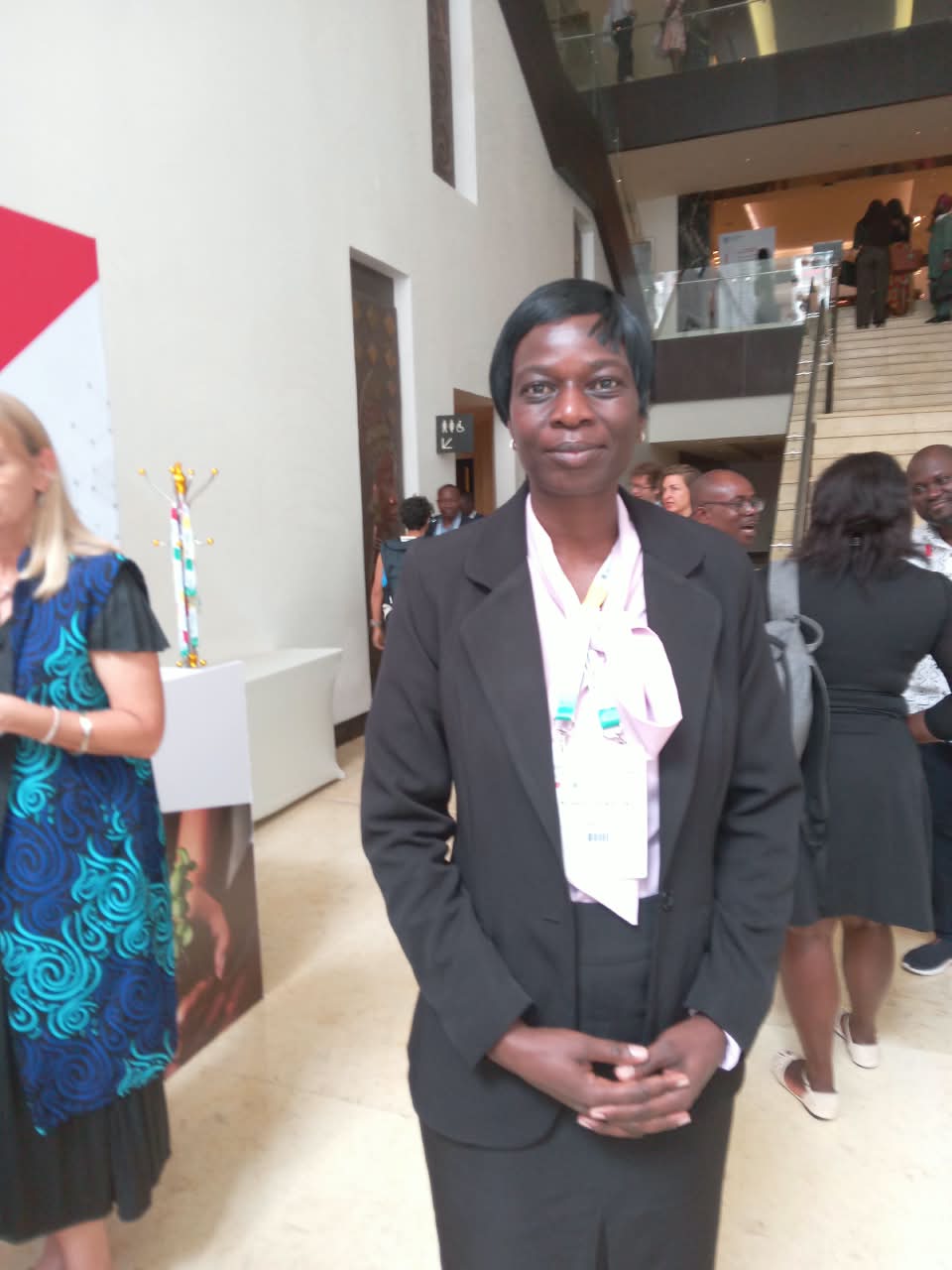
Representing HIPH was Dr Nyaradzai Arster Katena, Research Consultant in the Department of Business Development, Grants, Research and Innovation. Her participation provided an opportunity to share Zimbabwe’s experiences and locally generated evidence with an international audience.
Zimbabwe among three Global Exemplar countries
The MiNG research project was funded by the Gates Foundation and implemented in partnership with The Hospital for Sick Children (SickKids) in Toronto, Canada.
Zimbabwe was selected as one of three Global Exemplar countries, alongside Bangladesh and Cambodia, based on substantial progress made in maternal and child nutrition between 2000 and 2020.
At the conference, findings from the three countries were presented by teams representing the Gates Foundation, SickKids, Zimbabwe, Bangladesh and Cambodia. The presentations created an opportunity to examine different experiences and approaches associated with improvements in maternal and child nutrition.
Understanding Zimbabwe’s nutrition journey
The Zimbabwe MiNG case study examines the policies, programmes and contextual factors associated with progress in maternal and child nutrition, while also exploring the challenges that continue to affect families.
The study seeks to identify lessons that can strengthen future nutrition programmes in Zimbabwe and potentially inform similar interventions in other settings.
One of the important messages emerging from the qualitative findings is the role played by communities, families and health services in supporting improved nutrition outcomes.
Community participation, health education, family support and coordination across different sectors were identified as important contributors to progress. Village health workers, care groups and local support systems have helped families understand nutrition, access services and improve feeding practices.
The research also highlights the contribution of fathers, grandmothers and other family members in supporting mothers and young children. Community accounts pointed to improvements in awareness of exclusive breastfeeding, child feeding and hygiene, together with expanded access to health services.
Nutrition requires more than knowledge
While Zimbabwe has recorded important progress, the research also highlights persistent economic and social barriers affecting households.
Poverty, unemployment, rising food prices and drought can make it difficult for families to obtain nutritious food, even when they understand recommended feeding practices. Participants in the study also described interruptions to programmes and constraints within health services.
These findings highlight the need to connect nutrition education with practical support for food access and reliable service delivery.
The research further identifies multisectoral food and nutrition coordination as an important part of Zimbabwe’s response, connecting health services with food security initiatives and community action.
Local evidence with global relevance
Zimbabwe’s experience provides useful lessons on how public health programmes can work with communities and families to support nutrition throughout pregnancy and early childhood.
The study recommends sustained investment in local food systems, health services and social support, together with approaches that respond to the circumstances faced by vulnerable households.
HIPH’s participation at the conference in Ghana provided an opportunity to place Zimbabwean evidence and experiences within a wider international discussion on improving maternal and child nutrition.
By sharing locally generated knowledge with an international audience, HIPH contributed to broader discussions on the policies, programmes and community approaches that can support better nutrition outcomes.
The presentation also reflects HIPH’s commitment to research dissemination and the use of evidence to inform public health policy and practice.
Zimbabwe’s MiNG experience demonstrates that continued progress in maternal and child nutrition depends on the combined efforts of health services, communities, families and other sectors working together to address both nutritional needs and the wider circumstances affecting households.